
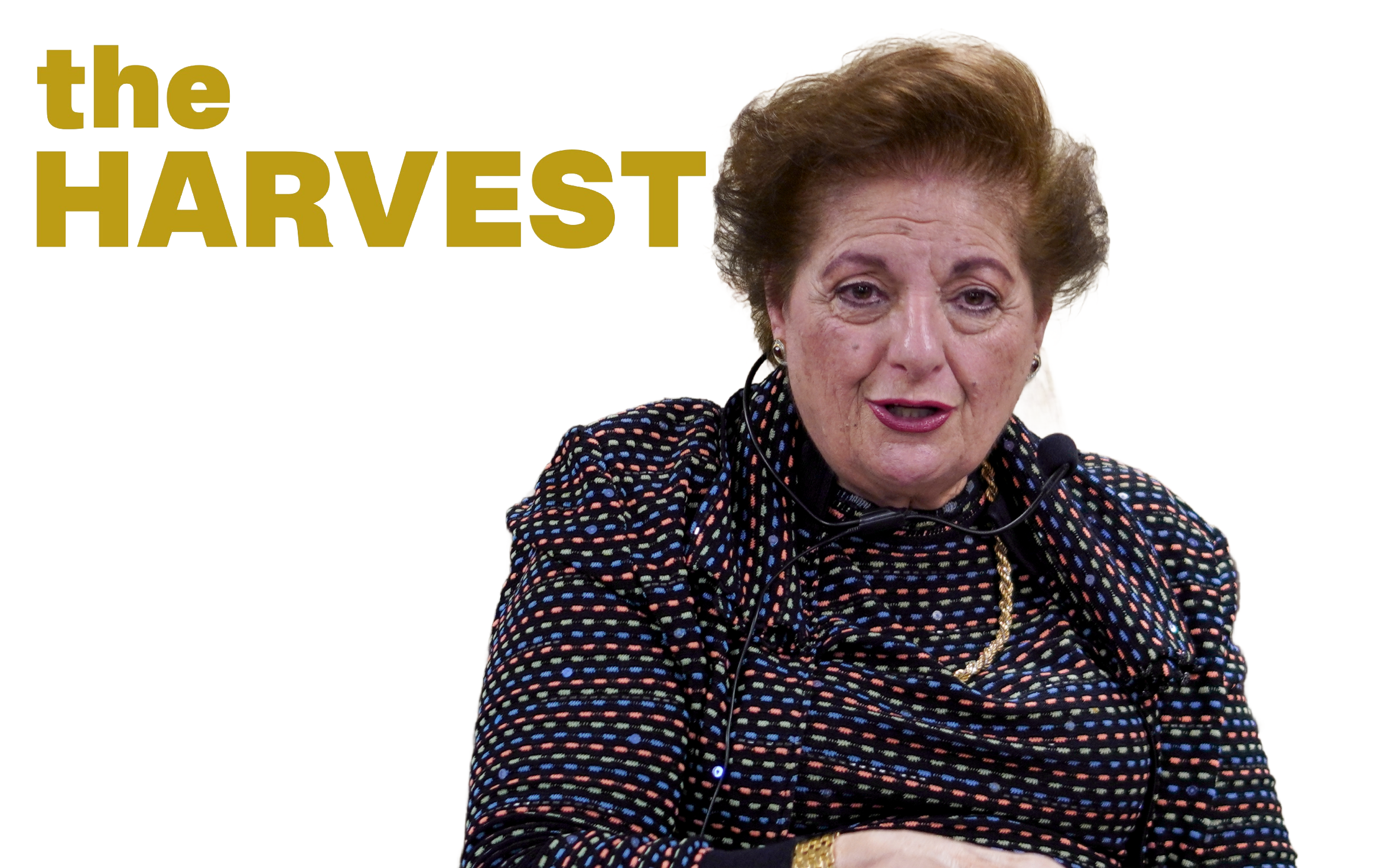


This episode explores the biblical narrative of John the Baptist, from his miraculous birth to his role as the forerunner of Jesus. The speaker delves into the etymological and spiritual meanings of names, places, and concepts like mercy and compassion, drawing connections between Old and New Testament themes, and emphasizing God’s redemptive plan through simple, faithful people.
The podcast begins with Najwa recounting the story of John the Baptist’s conception and birth, as detailed in the Gospel of Luke. John’s parents, Elizabeth and Zechariah, are described as elderly and childless until the angel Gabriel appears to Zechariah in the temple, announcing the birth of a son named John, who would be filled with the Holy Spirit from the womb. Najwa highlights how Luke obtained these intimate details from Mary, the mother of Jesus, underscoring the importance of oral tradition and divine revelation. The naming of John is emphasized as divinely ordained, defying family traditions, and its Hebrew meaning—”Yahweh has compassion” or “Jehovah has mercy”—is unpacked as a symbol of God’s tender care, akin to a mother’s womb (rahma in Arabic) nurturing a child.
This ties into broader themes of divine mercy as a protective, life-giving force.The discussion expands to John’s prenatal encounter with Jesus, when the unborn John leaps in Elizabeth’s womb upon Mary’s greeting, prompting Elizabeth to recognize Mary as the mother of the Lord through the Holy Spirit. Najwa draws poetic connections to Jesus’ humble birth in a Bethlehem cave, interpreting Bethlehem as “house of bread” in Hebrew (symbolizing Jesus as the bread of life) and “house of flesh” in the Ishmaelite (Arabic) context, reflecting the incarnation of Christ in human form. This duality mirrors biblical allegories like Ishmael (son of the flesh) versus Isaac (son of the promise), or Esau and Jacob, illustrating the tension between fleshly desires and spiritual fulfillment.
Transitioning to broader biblical metaphors, Najwa uses the Bible itself as an analogy: the Old Testament represents life under the law (rituals and failures), while the New Testament signifies life in the Spirit post-baptism, crossing the “Jordan” from sin to grace. John’s baptism of repentance is portrayed as preparation for Jesus’ baptism by the Holy Spirit, fulfilling prophecies and allowing Jesus to fully embrace humanity’s experiences—temptation, suffering, and death—for salvation. The Pharisees’ rejection of John’s baptism is contrasted with the people’s acceptance, highlighting spiritual blindness versus openness.
The episode touches on cultural and historical notes, such as the Church of the Nativity in Bethlehem, built over the cave of Jesus’ birth, and the term “Haji” (or “Hadji”) for pilgrims to the Holy Land, borrowed across Christian and Muslim traditions.
It concludes with reflections on Jesus’ genealogy tracing back to Adam, a call to embody Christ’s birth in one’s “house of flesh” (heart), and a communal prayer thanking God for the lesson and seeking blessings.Overall, Najwa weaves personal anecdotes, linguistic insights, and scriptural exegesis to inspire listeners to appreciate the depth of God’s mercy, the significance of baptism, and the transformative power of the Holy Spirit in everyday faith.