


/
RSS Feed
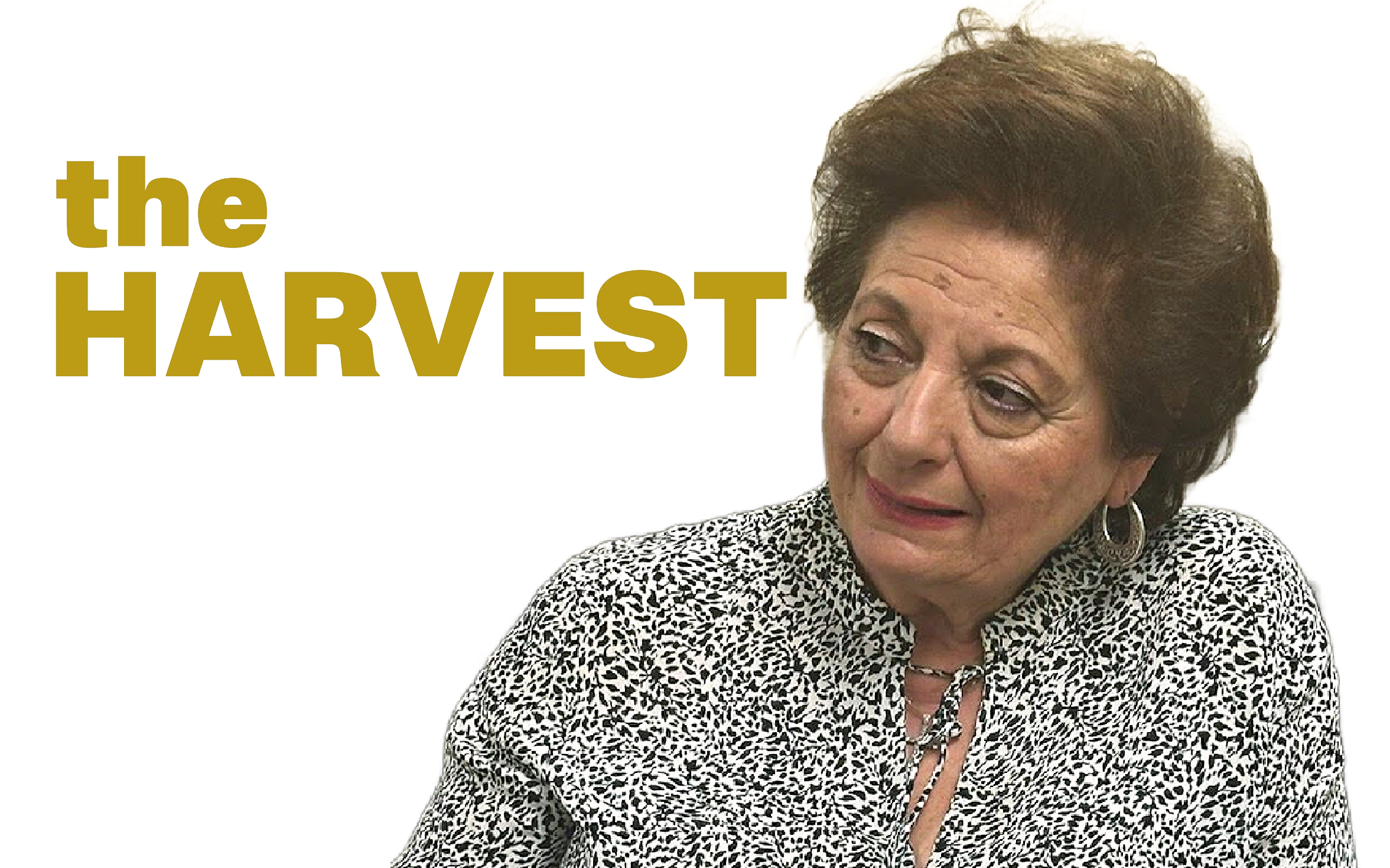
In today’s talk, Najwa discusses the identity of believers as citizens of God’s Kingdom, the transformative power of the Holy Spirit, the call to love as Christ loved, and the concept of a spiritual Exodus through Jesus’ death and resurrection. It reflects the talk’s blend of theological depth, scriptural focus, and practical exhortation to live out faith in community.
- Introduction and Context:
- Najwa begins by acknowledging that her talks are recorded and shared on platforms like YouTube, not by her choice but as part of a divine plan to spread the message for future generations, particularly her children and grandchildren.
- She emphasizes the communal aspect of the Kingdom of God, describing believers as citizens who can find fellowship anywhere in the world, such as at airports or in foreign countries. She shares an anecdote about recognizing fellow Christians by symbols like a cross, leading to mutual ministry and connection.
- The session is held in a group setting, with logistical interruptions (e.g., discussions about keeping the door open for latecomers), reflecting a casual, community-driven atmosphere.
- Opening Prayer and Gratitude:
- Najwa leads the group in the Lord’s Prayer, followed by a heartfelt prayer thanking God for His guidance, the presence of the Holy Spirit, and the sacrifice of Jesus Christ. She prays for those present, their families, and those suffering, particularly from cancer, asking for healing and peace.
- The prayer emphasizes God’s mercy, protection, and the promise of eternal life through Christ’s sacrifice, which freed humanity from the bondage of sin and death.
- Review of Previous Teachings:
- Najwa reviews previous sessions, particularly around Easter, the Ascension, and Pentecost. She explains the significance of these events:
- Easter and Ascension: Jesus’ death and resurrection as a spiritual Exodus, paralleling the physical Exodus of the Israelites from Egypt. His crucifixion tore the temple curtain, symbolizing access to God’s mercy, and His ascension from the Mount of Olives was witnessed by disciples, with angels promising His return.
- Pentecost: The 50th day after the Resurrection, when the Holy Spirit descended on the Apostles, empowering them to spread the Gospel. This event is likened to the Jewish feast commemorating the giving of the Law at Mount Sinai, but it marks a new spiritual liberation through Christ.
- She connects the Old Testament (e.g., the Ten Commandments) to the New Testament, highlighting the importance of honoring parents as a commandment equal to loving God.
- Najwa reviews previous sessions, particularly around Easter, the Ascension, and Pentecost. She explains the significance of these events:
- Theological Themes:
- New Exodus and Freedom from Sin: Najwa describes Jesus’ death and resurrection as a second Exodus, liberating humanity from the bondage of sin and death. She emphasizes that human nature alone cannot fulfill the Ten Commandments, but the Holy Spirit empowers believers to overcome sin and fear of death.
- The Holy Spirit as Guarantee: Referencing Ephesians, she explains that the Holy Spirit is a seal or guarantee of eternal life, marking believers as God’s own. This seal assures them of their place in heaven, likened to a royal stamp of ownership.
- Gifts and Ministry: Quoting Ephesians 4, Najwa discusses how Christ’s ascension granted gifts to believers (e.g., apostles, prophets, evangelists, teachers) to equip them for ministry and build up the body of Christ. She encourages everyone to recognize their unique gifts, such as teaching, hospitality, or caregiving, as part of their divine calling.
- Unity and Maturity in Faith: The goal of these gifts is to unify believers across denominations and cultures, helping them grow into “mature manhood” in the likeness of Christ. This maturity protects against false doctrines and fosters truth spoken in love.
- Biblical Exegesis and Stories:
- Najwa delves into several scriptures to support her message:
- John 16:12-15: Jesus’ command to love one another as He loved, emphasizing that believers are friends, not servants, because He shares the Father’s truths with them. She highlights the intimacy of this relationship and the power of praying in Jesus’ name.
- Ephesians 4: Christ’s descent into Hades to free captives and His ascension to grant gifts, equipping believers for ministry and unity.
- Isaiah 6: A vivid description of Isaiah’s vision of God’s throne, with seraphim proclaiming “Holy, holy, holy.” This vision underscores God’s majesty and the cleansing of sin, as seen when a seraphim touches Isaiah’s lips with a burning coal.
- Gospel of John 1: The Word (Jesus) as life and light, dispelling darkness and ignorance, echoing Genesis 1’s creation narrative.
- She uses these passages to illustrate God’s plan from Genesis to Revelation, portraying the Bible as a continuous tapestry of redemption.
- Najwa delves into several scriptures to support her message:
- Personal Reflections and Anecdotes:
- Najwa shares personal stories to connect with her audience, such as meeting a Christian woman unexpectedly, which she attributes to God’s orchestration. She describes being “amazed” by God’s providence, like finding lost keys or being reminded of appointments, which she sees as signs of His intimate care.
- She recounts her spiritual journey, including a transformative experience where God led her to study Isaiah, deepening her faith. She emphasizes the Bible’s living nature, which continues to enlighten and wash believers clean.
- She mentions her grandchildren’s faith, noting how children absorb spiritual truths quickly and can even lead adults to Christ, illustrating the power of the Holy Spirit across generations.
- Call to Action and Love:
- Najwa urges the audience to love one another sacrificially, as Jesus did, and to act on needs immediately without overthinking, as this stores “treasure in heaven.” She encourages generosity, such as feeding the hungry, and warns against hoarding possessions.
- She stresses the importance of confessing sins daily, seeking forgiveness, and pursuing holiness to prepare for Christ’s return. The Holy Spirit, as the Counselor, guides believers into truth and empowers them to live as Christ’s disciples.
- Closing and Announcements:
- The session concludes with a prayer for peace, blessings for those present, and gratitude for Christ’s sacrifice and the Holy Spirit’s presence. Najwa prays for global peace, specifically mentioning Jerusalem, Gaza, Ukraine, Iran, and America.
- She announces a break in the sessions for July due to a family trip to San Francisco with her son, who lives in Barcelona. The group will resume in August, and she welcomes newcomers to join and provide contact information for future notifications.