
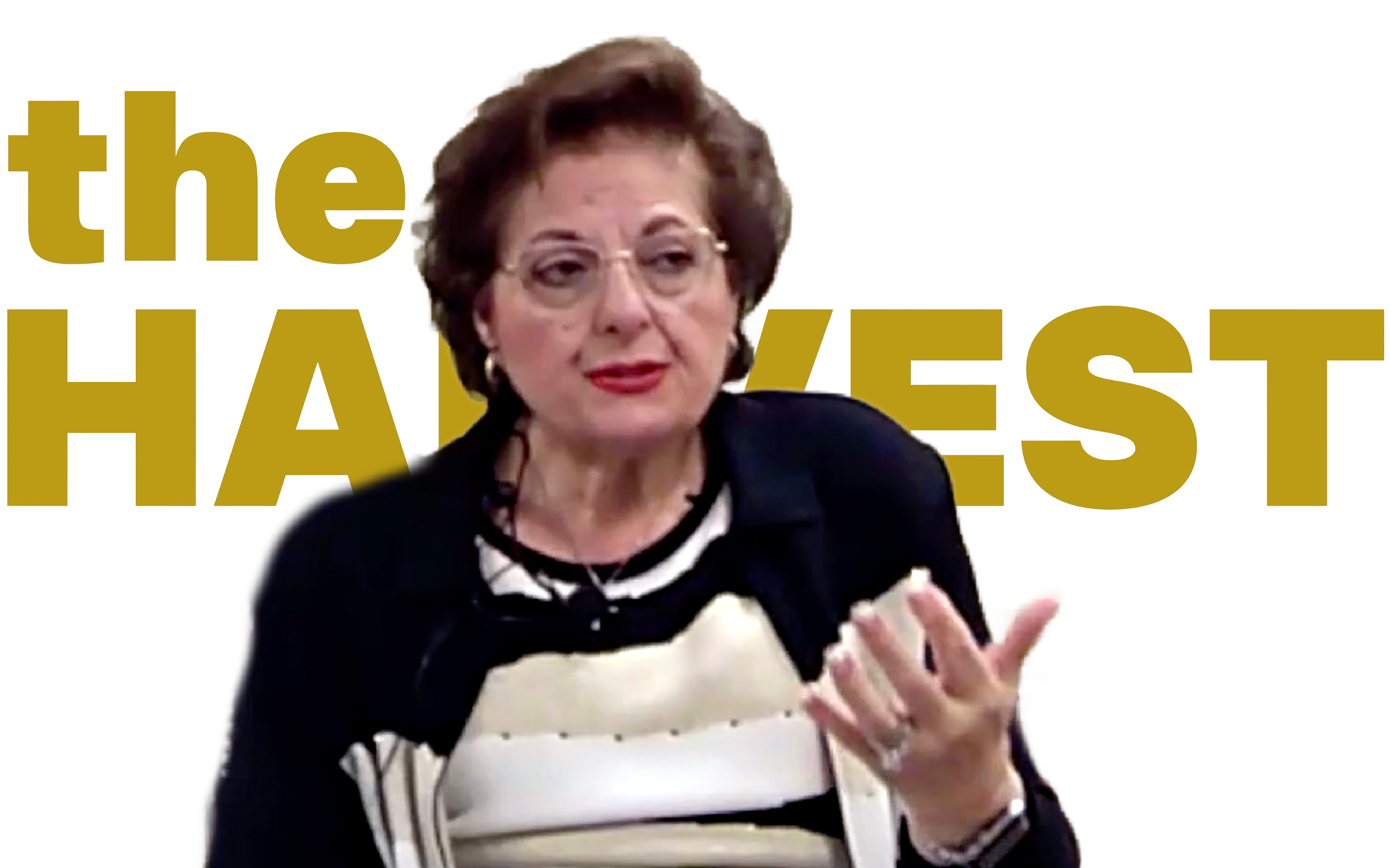


Najwa begins the session noting that she has been busy but grateful for a beautiful and blessed day. She shares a personal health update, revealing that she has breast cancer and has stopped hormone treatments, leading to hot flashes. She informs the group that she is scheduled for surgery on both breasts on the 31st and requests prayers, expressing peace about her situation and trust in God’s care. She mentions that the next session might not occur due to her upcoming treatments, including radiation and chemotherapy, but assures the group she will return if able.
- Next steps:
- All attendees to increase time spent in prayer and fasting during the Lenten season.
- All attendees to study the Old Testament, particularly the Septuagint translation.
- All attendees to look for opportunities to help those in need (e.g., feeding the hungry, visiting the sick).
- Najwa to undergo breast cancer surgery on Monday, March 31st.
- All attendees to pray for Najwa’s successful surgery and recovery.
- All attendees to pray for the Saudi Arabian student named Jawaher to come to know Christ.
Najwa then transitions into a spiritual discussion, reflecting on her preparation for the session and the challenges of organizing her thoughts, crediting God for guidance. She highlights that they are midway through Lent, prompting reflection on its purpose—fasting, repentance, and focusing on God. She leads the group in prayer, beginning with the Lord’s Prayer and adding a personal prayer for mercy, forgiveness, the Holy Spirit’s guidance, peace in troubled regions, and blessings for those present and their families.
The main focus of her talk centers on Lent as a time for spiritual renewal. She discusses tithing not just in money but in time and provisions, urging the group to prioritize God over worldly distractions. She shares a personal experience of seeing a cross in the clouds, interpreting it as a sign of God’s presence and a call to look heavenward. Najwa emphasizes repentance, likening it to cleansing the soul of blemishes accumulated throughout the year—anger, lies, or negative thoughts—drawing a parallel to spring cleaning for Easter.
She connects this to biblical narratives, starting with Adam and Eve, whose disobedience led to their expulsion from Paradise, and Jesus as the new Adam, who restores humanity to God’s presence through His death and resurrection. She references Ephesians 4, where Jesus descends and ascends, leading captives to freedom, and contrasts the physical exodus led by Moses with the spiritual exodus led by Jesus, freeing humanity from sin and death.
Najwa recounts a conversation with a Muslim student about sacrifices, explaining Jesus as the ultimate sacrifice, and ties this to Abraham and Isaac. She highlights Abraham’s faith in offering Isaac, foreshadowing Jesus’ sacrifice, and encourages trust in God, using her surgery as an example of faith in action. She identifies believers as children of Abraham by faith, urging them to look to heaven.
She explores several parables from Matthew:
- The Ten Virgins: The oil represents the Holy Spirit, and readiness for the bridegroom (Jesus) is essential, as the church is His bride.
- The Talents: God gives each person unique gifts to use for His glory, and neglecting them leads to judgment.
- The Sheep and Goats: At judgment, Jesus rewards those who help the needy, emphasizing compassionate action.
Najwa underscores the power of prayer and fasting, citing Jesus’ teaching that some demons require both to be cast out. She encourages fervent prayer, especially for those with addictions, and highlights the strength of collective prayer. She reminds the group that through Jesus’ salvation, they are already in eternal life and must not neglect this gift.
She revisits Abraham and Isaac, noting Isaac’s willingness to be sacrificed as a foreshadowing of Jesus’ obedience, and reflects on God testing faith. Najwa shares a personal moment of recalling a past sin, stressing the need for confession during Lent. She discusses Joseph and his brothers, pointing out the greater sin of ignoring his cries for help while they ate comfortably, urging awareness of others’ needs.
Quoting Isaiah 9:6-7, she describes Jesus as the Wonderful Counselor, Mighty God, Everlasting Father, and Prince of Peace, whose eternal kingdom contrasts with fleeting earthly ones. She calls believers friends of God, like Abraham, and encourages intimacy with Jesus through prayer.
Najwa warns of the end times, citing signs like wars and earthquakes, and urges readiness through confession. She briefly outlines the history of the Church, noting how catechumens prepared for baptism during Lent, culminating on Holy Saturday, and references early Christian practices observed by Roman officials, such as the “mystical supper” (Eucharist). She explains the liturgy as twofold: Scripture reading followed by the Eucharist, where the Word becomes flesh, and mentions the Septuagint, the Greek translation of the Old Testament, encouraging its study.
Catechumens and Early Christian Church Practices
Najwa discusses the historical practice of catechumens in the early Christian Church. She explains that catechumens were people preparing to become Christians who would learn about the faith but were not allowed to participate in communion. Najwa also describes how the liturgy has two parts: the reading of scripture and the Eucharist, which she likens to the Word becoming flesh. She emphasizes the importance of understanding these practices and encourages deeper study of the Old Testament, particularly through the Septuagint translation.
She concludes with a closing prayer, thanking God for the session, asking for strength in fasting and prayer, and seeking blessings for good works and deeper love for Jesus. Najwa expresses gratitude for the group’s presence.
This summary captures the key personal, spiritual, and biblical elements of Najwa’s talk, centered on Lent, faith, and preparation for Jesus’ return.